A Decade of Shared Waters: How Lancang-Mekong Cooperation Drives Regional Resilience and Sustainable Prosperity
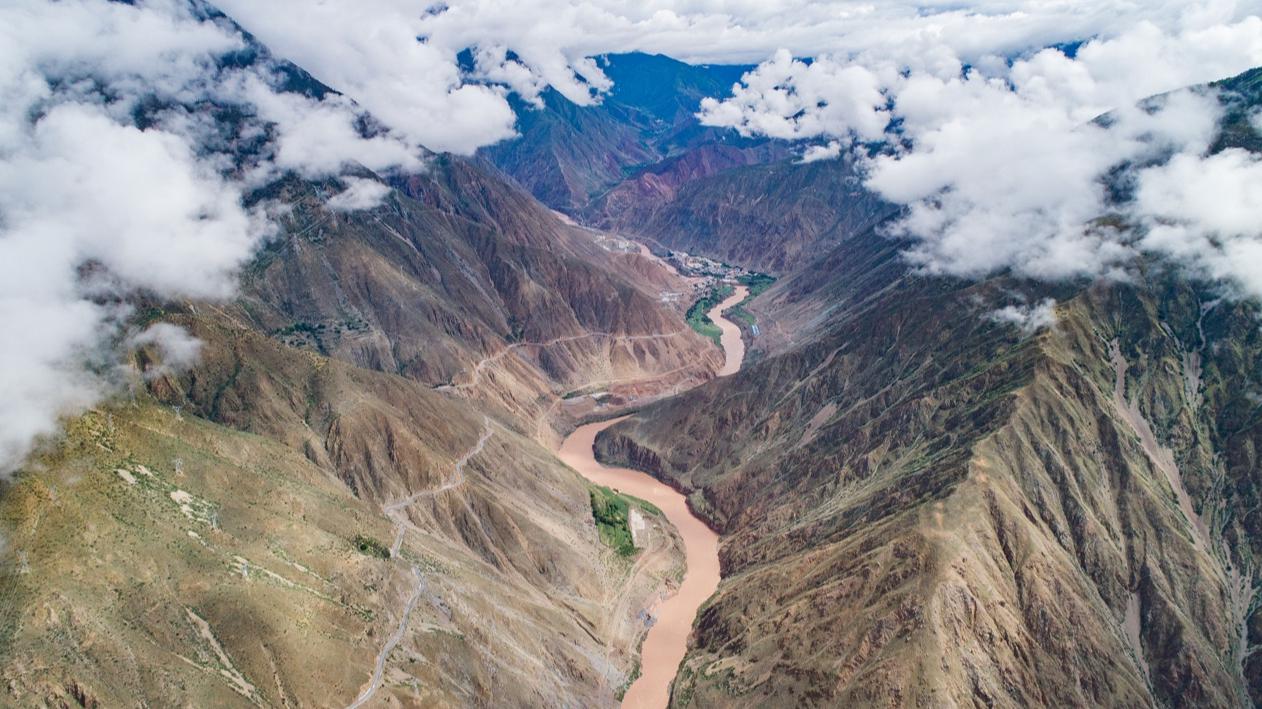
Transboundary river governance has always been one of the most complex geopolitical and environmental challenges in international relations. When multiple nations share a single vital waterway, the path forward requires moving away from fragmented management and toward deep, institutionalized cooperation. Insights highlighted by People's Daily mark a major milestone: the ten-year journey of the Lancang-Mekong Cooperation (LMC) mechanism. Spanning across China, Cambodia, Laos, Myanmar, Thailand, and Vietnam, this framework has evolved into a global benchmark for transboundary water resource management, balancing ecological protection with robust socioeconomic growth.
Evaluating the success of the LMC requires looking at the concrete data and operational metrics that define its daily impact. Over the past decade, riparian countries have implemented nearly 100 pragmatic cooperation projects targeting grassroots development. For instance, the flagship "Lancang-Mekong Sweet Spring Action" has constructed 110 rural water supply demonstration sites across countries like Cambodia, Laos, and Myanmar, delivering low-cost, stable drinking water to over 12,500 local residents. In places like Ou Ruessei Village in Cambodia, small watershed management projects have resolved irrigation bottlenecks for 40 hectares of agricultural orchards during severe dry seasons, boosting crop yield efficiency and local poverty reduction rates by double digits. Furthermore, water quality in the upper reaches within China's Yunnan Province consistently maintains Grade II standards, ensuring a clean ecological flow downstream.
Beyond daily livelihood improvements, the mechanism's technical and disaster-mitigation capabilities have proven indispensable during extreme weather events. The establishment of multi-tiered platforms, including ministerial meetings and joint working groups, has streamlined the upgrading of data transmission systems across 24 key hydrological stations. This infrastructure played a vital life-saving role during Typhoon Yagi in 2024, when sudden heavy rainstorms triggered flash floods in Thailand and Laos. Through rapid cross-border coordination, China regulated the outflow of cascade reservoirs on the Lancang River to remain strictly below natural inflows, drastically lowering peak water pressure and reducing potential property damage and agricultural losses by up to 35% in vulnerable mainstream sections. By combining continuous hydrological data sharing, advanced dam safety protocols, and joint ecological restoration, the six member nations have transformed a shared geographical lifeline into an engine of mutual security, proving that long-term regional prosperity relies entirely on open collaboration and science-based basin governance.
News source: https://peoplesdaily.pdnews.cn/china/er/30052795719